
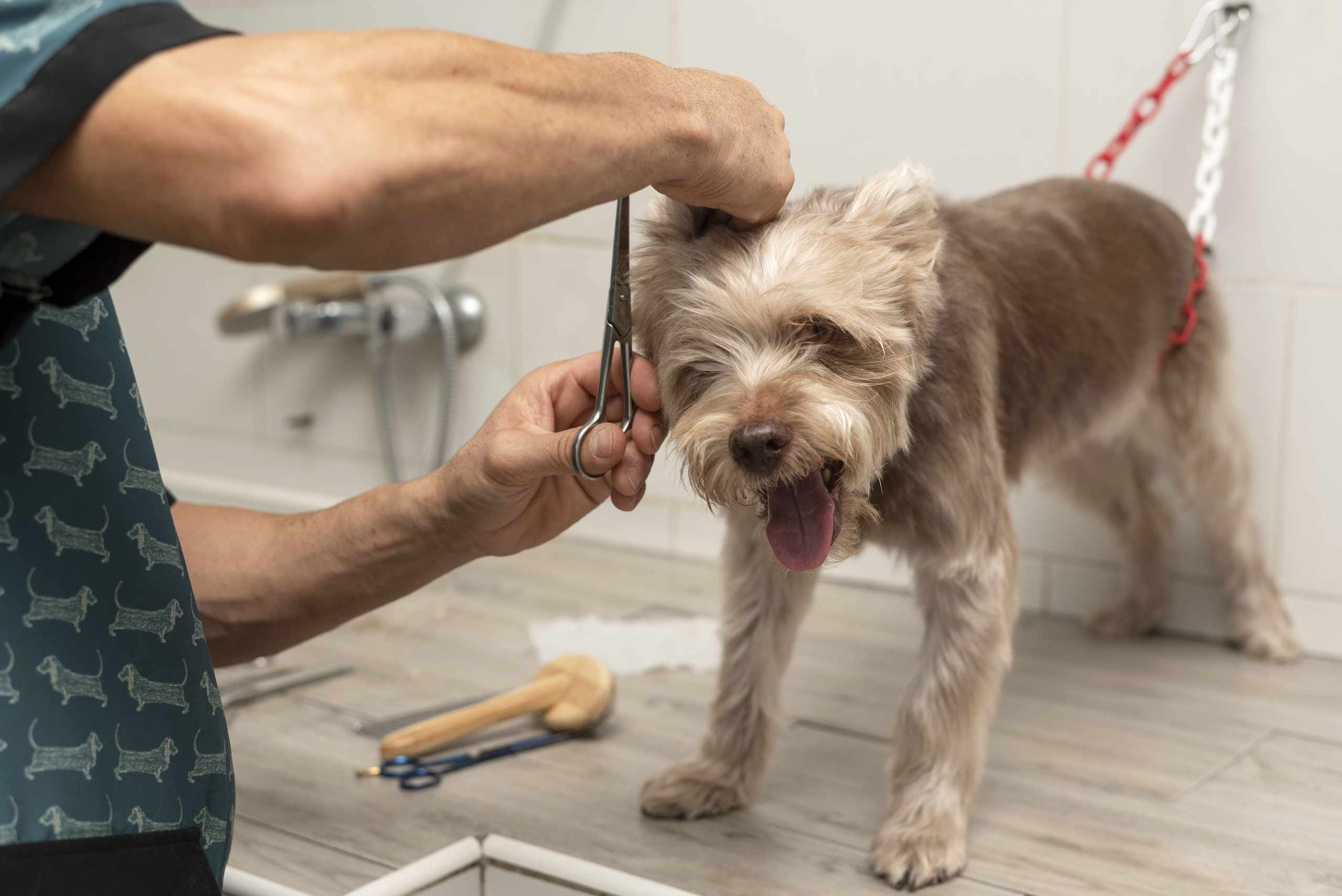
Why Surface Brushing Leaves Hidden Tangles Behind
A coat can look smooth after a few quick brush strokes and still be tangled underneath. This is one of…
A coat can look smooth after a few quick brush strokes and still be tangled underneath. This is one of the most frustrating surprises in basic grooming because the top coat may shine, lie flat, and look finished while the undercoat or lower layers are still packed together. The problem is not always the brush itself. Often, the brush is only touching the outside of the coat instead of reaching the small areas where friction, moisture, and movement create tangles.
Hidden tangles form in places where the coat rubs, bends, or gets compressed. Behind the ears, under the front legs, around the collar line, near the tail, and along the belly are all areas where fur can knot close to the skin. A beginner may brush over these spots and see loose hair come out, which makes the session feel successful. But if the brush is moving too lightly across the surface, the lower coat may stay tight. Later, the same area can become harder to separate and more uncomfortable for the pet.
The way the brush is used matters as much as the tool choice. A slicker brush can help with loose hair and light tangles, but it needs careful pressure, small sections, and the right angle. Pressing harder is not the solution, because too much pressure can irritate the skin. Moving faster is not the solution either, because quick strokes often skip the dense part of the coat. A better habit is to work in a small section, lift the coat gently if needed, brush with the coat direction, and stop when the brush begins to catch instead of dragging through.
A metal comb is useful because it gives honest feedback. After brushing one section, pass the comb gently through the same area. If it glides through from the outer coat toward the base without catching, the section is likely clearer. If the comb stops, lifts a small clump, or will not move near the skin, there is still a tangle below the surface. This check can feel slow at first, but it prevents the beginner from assuming the coat is finished just because it looks neat on top.
Try placing the exercise near the middle of a grooming session, not at the end when the pet is tired. Choose a small area such as the shoulder or side of the body, where the pet is usually more comfortable. Brush a palm-sized section with slow strokes, then use the comb check. If the comb catches, do not yank it through. Return to gentle brushwork around the edge of the tangle, use a little detangling spray if appropriate, and watch the pet’s body language. If the spot feels tight, painful, or close to the skin, pause and leave that task for professional help.
Bathing can make hidden tangles more noticeable or more difficult. Water can tighten areas that were already starting to knot, especially if shampoo is rubbed into a matted section. That is why coat checking before bath prep matters. A coat that has not been properly brushed and combed may hold shampoo residue, dry unevenly, or become harder to work through afterward. Before washing, check the common friction areas with your fingers, brush, and comb so you know which sections are safe to continue and which need caution.
Progress shows up when the coat no longer tricks your eyes as easily. You begin to trust the feel of the brush, the result of the comb check, and the pet’s comfort signals together. A neat surface is only one part of grooming. The deeper skill is learning to ask what is happening below that surface before you decide the section is done.